Why Small Commercial Projects Deserve Their Own Ecosystem
From Vision to Grand Opening: A Forgotten Class of Projects
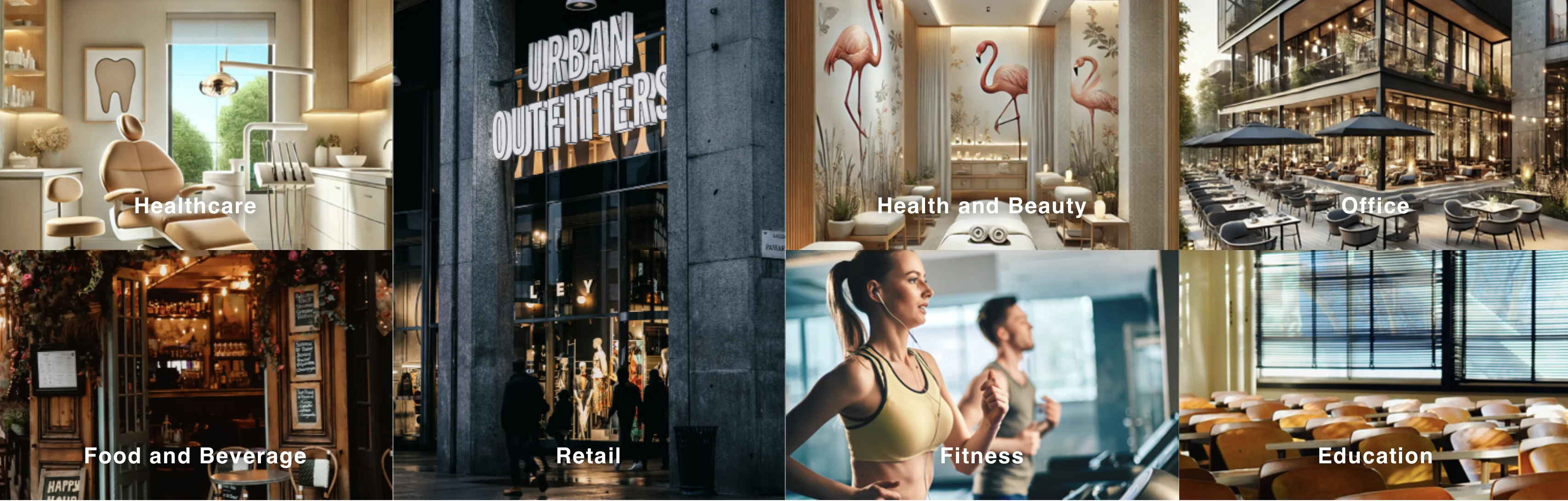
Every year, thousands of small businesses attempt to open new locations or renovate existing ones. These are not mega-developments or corporate headquarters — they’re your neighborhood optometry clinic, the new bakery downtown, or a boutique fitness studio trying to expand. Though small in square footage and budget, these projects are deceptively complex. And yet, they’re underserved by nearly every existing platform, process, and financial product in the commercial real estate world.

The Hidden Complexity of Small Commercial Projects
Unlike large corporate or institutional projects, which come with big budgets and in-house teams, small commercial projects often require the same sequence of steps:
Lease negotiation with TI allowances
Architectural design and engineering
Permitting and entitlement
Contractor sourcing and bidding
FF&E procurement and scheduling
But the small business owner typically doesn’t have a project manager, procurement lead, or development consultant. They’re navigating this labyrinth alone — or hiring help piecemeal, without an integrated team or standardized tools.
The Current Gaps
1. Fragmented Professional Support
Small businesses must piece together a mix of architects, engineers, expeditors, contractors, and vendors — none of whom are connected or incentivized to deliver a smooth experience. This increases costs, delays, and decision fatigue.
2. Lack of Tailored Software
Most commercial real estate platforms (e.g., Procore, Autodesk, PlanGrid) are built for enterprise clients. Meanwhile, residential platforms (like Houzz or Thumbtack) don’t fit commercial code, permitting, or procurement realities. There’s no user-friendly, vertically integrated tool built for small commercial projects.
3. Finance Mismatch
Traditional CRE financing often doesn’t accommodate the cash flow needs of a $300K buildout for a single location. Banks consider these loans too small and risky, and many small business owners don’t know how to structure bridge financing, leasing incentives, or working capital against construction.
The Case for a New Category
This space deserves its own classification within the AEC (Architecture, Engineering, Construction) and PropTech industries:
Small Commercial Fit-Outs and Renovations.
And with that comes the need for:
A Dedicated Network of Professionals: Designers, permit expeditors, GCs, and vendors experienced in small-scale commercial work
Simple, Integrated Software: One interface for layout planning, budgeting, permitting, scheduling, and team coordination
Specialized Financial Products: Pre-approved credit lines, fast-turnaround loans, and lease-financing tools aligned with the scale and risks of the space
Why It Matters
Small commercial projects are the lifeblood of local economies. They create jobs, activate neighborhoods, and bring entrepreneurial visions to life. Streamlining their design and construction process isn’t just a business opportunity — it’s an economic and social imperative.
It’s time to build a purpose-built ecosystem for this overlooked segment — where a café owner, franchisee, or first-time entrepreneur can go from a sketch on a napkin to a grand opening, without falling into chaos, delays, or financial strain.
Join atoryhub.com and be a part of this ecosystem.